
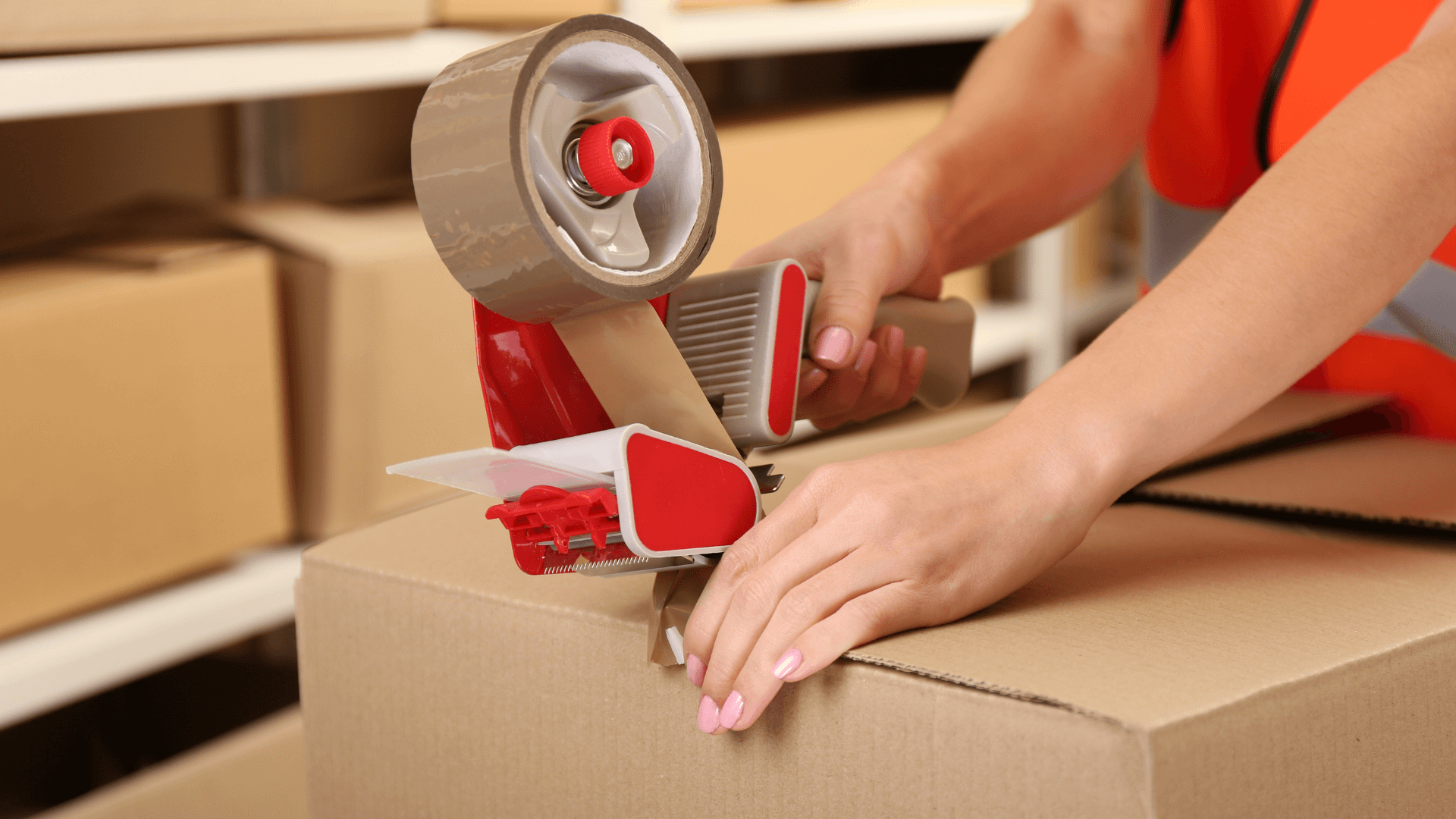
If you’ve ever opened a box after moving and found broken glass, cracked electronics, or scratched furniture, you already know how frustrating that moment feels.
It’s not just about the item. It’s the thought that you carried it for years, packed everything carefully (or at least you thought you did), paid for a truck, went through the stress of shifting — and still something got damaged.
After helping many families move homes over the years, one thing becomes very clear. Most damage during shifting does not happen because of the truck or the distance.
It happens much earlier.
It happens during packing.
A weak box.
Too much weight inside one carton.
A little empty space that lets items move around.
A fragile item placed under something heavy.
These small things look harmless while packing inside the house. But once the boxes start travelling – stairs, loading, stacking, road bumps, braking – those small mistakes slowly turn into broken items.
So instead of thinking of packing as a quick job before the truck arrives, it helps to think of it as the first layer of protection for everything you own.
Let’s talk about the mistakes that quietly cause damage during moves – and what actually works better.
Table of Contents
ToggleWhat Actually Happens To Boxes During A Move
Inside your living room, a packed carton looks perfectly safe.
You tape it, shake it a little, nothing moves much, and you feel confident.
But the moment that box leaves your house, its journey changes completely.
It gets lifted, tilted on stairs, placed on the ground while other boxes are arranged, then lifted again. Sometimes it rests against a wall or corner while loading continues.
Then inside the truck, it gets stacked with other boxes and furniture around it.
After that, the road begins.
Speed breakers.
Sudden brakes.
Turns.
Uneven patches of road.
Every bump creates movement inside the box. If there is empty space, items shift. If something heavy is sitting on something delicate, pressure slowly builds.
This continues for hours, not seconds.
That’s why packing matters so much. It decides whether your belongings stay stable inside the box or slowly destroy each other during the journey.
Basic Packing Mistakes That Cause Most Damage
Before talking about fragile items or electronics, it’s important to understand the small mistakes that affect almost every box.
Using weak or old cartons
Online delivery boxes or grocery cartons are usually single-layer cardboard. They work fine for light deliveries but not for moving houses.
When heavy items like books, utensils or crockery are packed inside them, the box starts losing shape once stacked. Corners collapse and the pressure transfers to the items inside.
Overloading boxes
A carton should be easy for one person to lift comfortably.
If two people struggle to pick it up, the box is already too heavy. Heavy cartons get dragged, dropped or squeezed while loading.
The bottom can tear open without warning.
Leaving empty space inside
Empty space inside a box is one of the biggest causes of damage.
When the truck moves, items slide and knock into each other repeatedly. Even wrapped items can break when they keep hitting each other for hours.
Boxes should feel tight and stable inside.
Weak taping
Many people close cartons with just one strip of tape across the top.
For moving boxes, the H-taping method works much better. Tape across the center seam and along both edges so the flaps cannot open under weight.
Poor labelling
When boxes are labelled “misc items” or “room stuff”, loaders have no idea what is inside.
Fragile cartons may end up at the bottom of a stack simply because no one knew they needed special handling.
Clear labels like FRAGILE, GLASS, or THIS SIDE UP make a big difference.
Fragile Items : Glassware, Crockery and Decor
Fragile items usually suffer the most during moving, and the reason is simple.
They are packed quickly.
A single newspaper wrap around a glass or a plate may feel like enough, but it rarely is.
Glass and crockery need two types of protection :
Protection from outside pressure
Protection from hitting each other
If plates are stacked together without cushioning between them, small vibrations make them grind against each other for hours.
Eventually, edges chip or cracks appear.
A safer method is simple but slightly slower.
Wrap every glass, bowl and plate individually with packing paper or bubble wrap. Add extra padding around rims and handles.
Inside the box, create a soft base layer first.
Heavier items go at the bottom. Lighter ones on top.
Any gaps should be filled with paper or soft material so nothing moves.
When you gently shake the box, you should hear almost no sound.
Mirrors and glass tabletops need special care too.
Many people lay them flat, thinking it’s safer. But large glass surfaces are actually stronger when kept upright with padding.
Flat positioning allows pressure from other items to push down on the centre and cause cracks.
Keeping them vertical with padding around edges reduces that risk.
Electronics : TVs, Appliances and Devices
Electronics are expensive and sensitive, which makes packing mistakes even more costly.
The most common mistake with TVs is laying them flat.
Flat-screen TVs are designed to stay upright. When placed flat, any weight from above presses directly onto the screen.
Sometimes the screen doesn’t crack immediately but develops internal panel damage that appears later.
The safest option is always the original TV box with foam inserts.
If that’s not available, a strong double-wall carton with corner protection works well.
Once packed, the TV should stay upright during the entire move.
Smaller electronics often get packed randomly with cables, adapters and other items.
Heavy chargers or metal parts move around inside the box and scratch or damage delicate surfaces.
A better approach is to pack each device separately or at least create separate sections inside the box.
Cables and remotes should go into labelled pouches so they don’t disappear during unpacking.
Furniture : Scratches, Dents and Broken Parts
Furniture damage often happens because people try to move everything as it is.
Beds are dragged without dismantling.
Wardrobes are moved with shelves inside.
Large sofas are squeezed through narrow doorways.
These shortcuts put stress on joints and corners.
Taking the time to dismantle furniture reduces most of that risk.
Bed frames, table legs, detachable shelves and glass panels should be removed and packed separately.
All screws and bolts should go into labelled bags taped to the main furniture piece so nothing gets lost.
Furniture surfaces should also be covered with moving blankets or thick padding.
Bare wooden or polished surfaces easily get scratched when they rub against truck walls or other furniture during the journey.
Padding protects those surfaces from friction and impact.
Valuables and Important Documents
There is one category of items that should almost never go into regular moving cartons.
Important documents.
Jewellery.
Hard drives with important data.
Sentimental items.
These things are small but extremely valuable.
During loading and unloading, boxes move around constantly. Even if nothing gets damaged, small items can get misplaced easily.
The safest approach is simple.
Keep all important documents, jewellery and sensitive electronics in a small personal bag that travels with you, not in the truck.
Use waterproof folders for documents and padded cases for devices.
Taking photos of high-value items before packing can also help if you ever need insurance claims later.
When Packing Mistakes Affect Insurance Claims
Many people assume moving insurance covers every type of damage.
But insurance companies also check how items were packed.
If fragile goods were packed poorly or heavy items were placed incorrectly, claims may be reduced or rejected.
Insurance is meant to cover unexpected accidents, not careless packing.
That’s why proper packing and insurance work best together.
A Simple Packing Checklist Before Moving Day
Before sealing your boxes, a quick check can prevent many problems.
Kitchen items should be individually wrapped and packed tightly.
Electronics should be padded and kept upright where required.
Furniture should be dismantled and protected with blankets.
Fragile boxes should be clearly labelled.
Important documents and valuables should stay with you.
Spending a few extra minutes on these steps can save a lot of frustration later.
Final Thoughts
Packing often feels like the most tiring part of moving.
People just want to finish it quickly so the truck can arrive and everything can be loaded.
But packing is actually the most important stage of the entire move.
Strong boxes, proper wrapping, correct stacking and a little patience make a huge difference.
In most of the moves I’ve seen over the years, families who packed carefully faced far fewer problems than those who rushed through it.
Moving houses is already stressful enough.
The last thing anyone wants is to open a box in the new home and discover that something important didn’t survive the journey.
A little extra care during packing is the easiest way to avoid that moment.
PEOPLE ALSO ASK
The most common mistakes include using weak cartons, overloading boxes, leaving empty spaces inside cartons, packing fragile items together without wrapping them separately, and failing to label fragile boxes clearly.
Fragile items should be wrapped individually with packing paper or bubble wrap. Boxes should have a cushioned base, heavier items placed at the bottom, and empty spaces filled so nothing moves inside.
Yes, but it requires proper packing. Use a strong double-wall carton, add corner protection, wrap the screen with a soft cloth and bubble wrap, and keep the TV upright during transport.
Yes. Dismantling beds, tables and large furniture pieces reduces strain on joints and prevents damage during loading, transportation and unloading.
Important documents, jewellery, cash, passports, laptops, hard drives and sentimental items should ideally travel with you rather than inside the moving truck.
Leave a Reply