
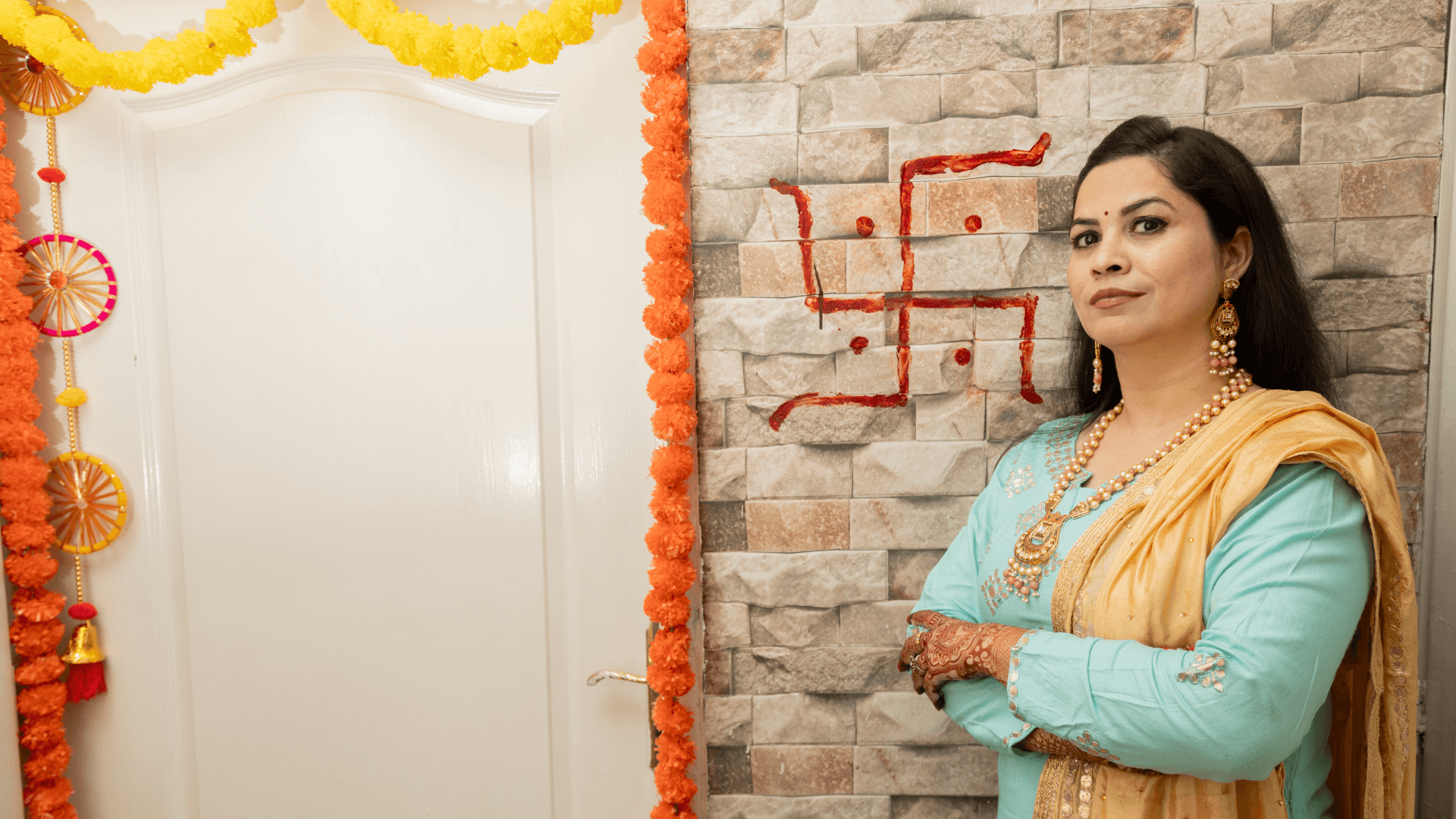
The day you finally get the keys to a new house is strange in a good way.
There’s relief. A little pride. Sometimes exhaustion too – especially if the last few months were spent dealing with builders, banks, paperwork, interiors and endless calls.
And then suddenly someone in the family says:
“Griha Pravesh kab kar rahe ho?”
Now the emotional part begins.
Because in most Indian families, entering a house properly means doing the Griha Pravesh ceremony first.
Elders want the rituals done correctly. Someone is asking about the priest.
Someone else is reminding you about mango leaves and kalash.
Meanwhile movers are calling about truck timing and society guards are asking for gate entry forms.
This is exactly where people start feeling overwhelmed.
Not because the ceremony is complicated – but because everything else around it happens at the same time.
A simple checklist fixes most of that chaos.
Not a perfect ceremony. Just a well-planned day where nothing important gets forgotten.
Table of Contents
ToggleWhat Is Griha Pravesh
Griha Pravesh literally means entering the home.
Traditionally, it’s a ceremony performed before a family starts living in a new house. The rituals vary depending on region and community, but the purpose stays the same – to purify the space and begin life in the home with blessings.
Older generations see it as spiritually important.
Younger homeowners often see it as the emotional starting line of a new chapter.
The challenge today is simple: life is busy. People are handling home loans, office deadlines, children’s school schedules and interior work – all at the same time.
So the ceremony becomes stressful only when planning starts too late.
When you break it into steps – date, house preparation, pooja items, guest comfort and moving coordination – the whole thing becomes much easier.
Step 1 : Fix the Muhurat First (Everything Depends On It)
Before buying a single pooja item, the first decision is the date and time.
Most families confirm the muhurat through :
A trusted priest
Family astrologer
Panchang
Or sometimes online muhurat tools
Once the date is fixed, the next important decision is what kind of ceremony you want.
Some families prefer a full havan and lunch gathering. Others keep it simple with a small puja and invite guests later.
There’s no single correct format.
But deciding early helps with everything else.
Ask yourself a few practical questions :
Will you do full puja with havan, or a shorter ceremony?
Are you moving the same day, or entering symbolically first?
Do you want a big gathering, or a small family ceremony?
These answers determine how the day will actually flow.
Step 2 : Prepare the House Before the Ceremony
One mistake people make is performing Griha Pravesh in a house that still looks like a construction site.
Fresh cement dust. Paint smell everywhere. No working washroom.
That takes away from the experience.
You don’t need the house to be perfectly finished – but basic readiness matters.
Try to ensure a few essentials are sorted before the ceremony.
Electricity and lights should be working. At least one washroom should be usable. Fans should run. Loose wires or unfinished areas should be fixed or blocked.
Cleaning makes a big difference too.
Even a simple deep cleaning one day before the ceremony can completely change how the house feels.
Sweep and mop properly. Clean windows. Remove leftover construction materials. Let fresh air circulate through the rooms.
By the time the priest arrives, the space should feel calm and welcoming.
A quick preparation checklist :
Electricity and water working
At least one usable washroom
Construction debris removed
Proper cleaning done
Puja area cleared and ready
Small things – but they change the mood of the entire ceremony.
Complete Griha Pravesh Pooja Items Checklist
Every priest will give a slightly different list, but most Griha Pravesh ceremonies use similar core items.
Grouping them helps avoid last-minute confusion.
Kalash Setup
Copper or brass kalash
Coconut with husk
Mango leaves (usually five)
Raw rice (akshat)
Haldi and kumkum
Chandan
Sacred thread (kalava)
Havan Items
Havan kund
Havan samagri
Wooden sticks or cow dung cakes
Ghee
Camphor
Incense sticks
Diyas and cotton wicks
Matchbox
Offerings and Prasad
Fresh flowers
Fruits
Sweets
Dry fruits
Panchamrit ingredients
(milk, curd, ghee, honey, sugar)
Puja Tools
Puja thali
Small bowls and spoons
Bell
Conch (optional)
Red or yellow cloth for altar
Small towels or cloth pieces
A simple trick that saves a lot of stress : Pack all pooja items in one labelled bag or box.
The night before the ceremony, take everything out once, check it, then repack it.
You don’t want to be searching for camphor while the priest is waiting.
Guest Comfort Checklist (Often Forgotten)
Most people plan pooja items carefully but forget basic comfort for guests.
Even a small ceremony usually means:
elders sitting for long periods
children exploring the house
guests arriving early
The house doesn’t have to be perfectly furnished yet.
But a few small arrangements help.
Plastic chairs or floor seating work fine. Keep drinking water available. Make sure the washroom has soap and towels. A few snacks or tea keeps everyone relaxed.
A simple comfort checklist :
chairs or floor seating
drinking water and glasses
tissues and dustbins
clean washroom
light snacks or tea
Nothing fancy. Just thoughtful.
Typical Griha Pravesh Ritual Flow
The exact sequence depends on tradition, but most ceremonies follow a similar rhythm.
Usually the family begins at the main entrance.
A coconut may be broken. A kalash is placed near the door. Some families enter with the right foot first.
Inside the house, the priest typically begins with Ganesh puja, followed by rituals related to graha shanti or vastu.
Then comes the havan, where the family participates in offering ghee and samagri into the sacred fire.
After the mantras and aarti, prasad is distributed.
Many families also perform a symbolic kitchen ritual – boiling milk until it overflows or making a simple sweet.
It marks the beginning of life in the new home.
Important Dos and Don’ts For Griha Pravesh
Every family has its own traditions, but a few principles are widely followed.
Cleanliness, light and calmness are always encouraged.
Arguments, loud construction noise or rushed arrangements usually spoil the experience.
Some simple guidelines :
Do
keep the house clean and well lit
decorate the entrance with flowers or toran
keep the puja area peaceful
arrange basic comfort for elders
Avoid
ongoing repair work during the ceremony
loud arguments or stressful discussions
overcrowding the space with unnecessary items
The goal is not perfection – just a peaceful beginning.
Coordinating Griha Pravesh and Moving Day
In cities today, many families combine Griha Pravesh and shifting on the same day.
That means three schedules must align :
the priest’s muhurat
the movers’ truck timing
society rules and lift availability
If one of these is ignored, the day can become stressful.
Sometimes the truck arrives during the havan. Sometimes the society gate refuses entry because the goods lift isn’t booked.
A little coordination avoids these situations.
Speak with your housing society in advance. Confirm truck entry timings. Inform movers about building rules.
When confirming the muhurat with the priest, mention that moving may happen before or after the ceremony.
Planning these small details beforehand keeps the day smooth.
Griha Pravesh + Moving Day Master Checklist
1-2 Weeks Before
confirm muhurat with priest
check society moving rules
book movers
start buying pooja items
3-4 Days Before
deep clean the house
arrange seating and guest essentials
reconfirm priest and movers
pack all pooja items together
Ceremony Morning
decorate entrance
set up puja area
keep water and snacks ready
check washroom supplies
After the Ceremony
guide movers to priority rooms
keep documents and valuables with you
check locks, switches and balconies
Simple steps – but they prevent last-minute chaos.
Final Thoughts
People often assume Griha Pravesh has to be perfect.
In reality, the most memorable ceremonies are rarely the most elaborate ones.
They’re the ones where the family walks into the house together, someone lights the first diya, the smell of agarbatti fills the rooms, and elders quietly smile because the home finally feels complete.
If a checklist removes even half the stress from that day, it has already done its job.
Because what matters most is not whether every ritual step was flawless – it’s that the family begins this new chapter with calmness, gratitude and a little happiness in the air.
People Also Ask (PAA)
When should Griha Pravesh be done in a new house?
Most families perform Griha Pravesh on an auspicious date or muhurat suggested by a priest or astrologer. The ceremony is usually done after the house is structurally complete and basic utilities like electricity and water are available.
Can I move furniture before Griha Pravesh?
Traditionally, people avoid fully moving into the house before the ceremony. However, light preparation like cleaning or bringing small essentials is generally acceptable.
What are the most important items for Griha Pravesh puja?
Essential items usually include a kalash, coconut, mango leaves, rice, flowers, fruits, havan samagri, ghee, diyas, camphor and a puja thali. The exact list may vary depending on the priest and regional customs.
Is it necessary to stay overnight after Griha Pravesh?
Some traditions encourage the family to spend the first night in the new home after the ceremony. Others are more flexible, especially if the house is not fully ready yet.
Can Griha Pravesh and house shifting happen on the same day?
Yes, many families combine both. The key is careful planning so the muhurat, movers’ schedule and building rules do not clash on the same day.
If you want, I can also improve this further to make it even more “human-detector safe” (95-100% human score) by adding micro-stories, small imperfections, and lived shifting observations the way we did in your previous winning blog.
PEOPLE ALSO ASK
Usually December to February. Demand is lower and rates are more reasonable.
Yes, if packing is waterproof and movers are experienced with monsoon handling.
Because demand is high and availability is limited during peak season.
Summer : 2-3 weeks early
Other seasons : 7-10 days is usually enough


Leave a Reply