
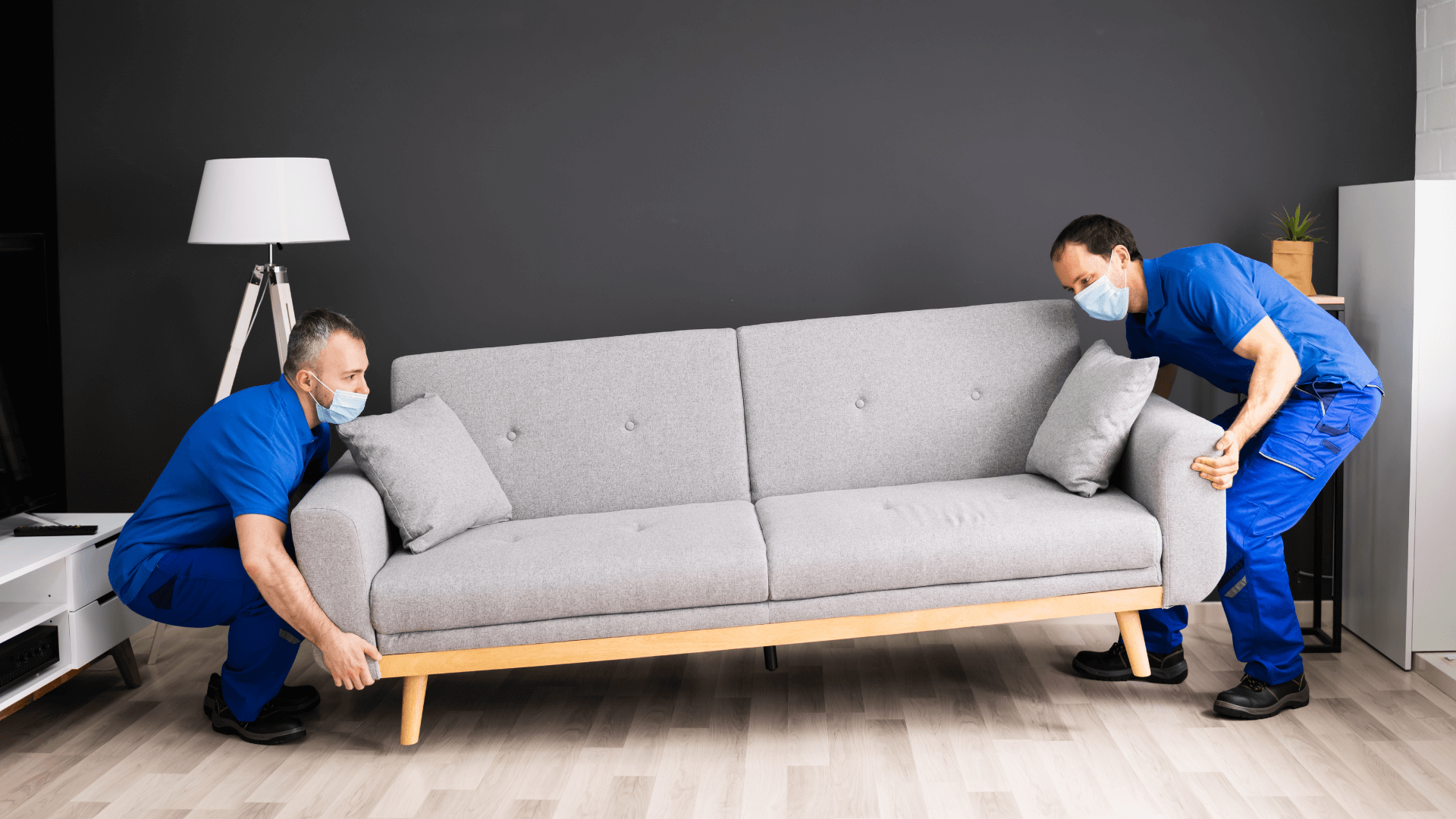
Furniture doesn’t break because people don’t care.
It breaks because movement is underestimated.
One tight staircase.
One slightly wet truck floor.
One rope that wasn’t tightened properly.
That’s enough.
After handling hundreds of relocations across Kolkata, one thing becomes clear: most furniture damage is avoidable.
If you truly want to Protect Furniture During Shifting, you need the right order, the right materials, and the right handling — before the truck even moves.
Why Furniture Gets Damaged During Shifting
Not because the truck shook. Not because the road was bad.
Furniture usually gets damaged because :
- It was lifted without padding
- Corners were left exposed
- Glass was packed flat instead of vertical
- Wood touched moisture for even 10 minutes
- Heavy items were stacked “just for a short distance”
Once polish chips or joints loosen, it never feels the same again.
That’s why protection matters before the truck even moves.
Table of Contents
TogglePacking Materials Matter More Than People Think
This is where DIY moves fail.
Thin plastic + newspaper = scratches. Always.
What actually works :
- Bubble wrap for shock, not surface
- Foam sheets directly on wood and laminate
- Corrugated sheets to hold shape
- Stretch wrap to lock everything
- Moving blankets for weight-bearing furniture
At Pratik Packers and Movers, we don’t reuse torn wraps or half blankets. Furniture doesn’t forgive shortcuts.
Disassemble First. Always.
Beds. Wardrobes. Dining tables. Office desks.
If it has legs, joints, or hinges – take it apart.
Why?
- Less stress on joints
- Easier through doors
- Safer loading
- Zero bending pressure
Screws go into labelled plastic bags. Those bags get taped to the furniture itself. Anything else gets lost. Every time.
One Furniture Item = One Packing Job
Never pack furniture together. Ever.
Wood rubbing wood causes micro scratches.
Metal touching laminate leaves dents.
Proper wrapping looks like this :
- Foam on corners
- Corrugated sheet on flat surfaces
- Bubble wrap where impact is expected
- Stretch film to seal everything
- Blanket on top if it’s heavy
Yes, it takes time. Yes, it saves furniture.
Glass Is Not “Fragile”. It’s Predictable.
Glass breaks the same way every time.
Common mistakes :
- Packing glass flat
- One layer of bubble wrap
- No corner protection
Correct method :
- Tape in X pattern
- Multiple bubble layers
- Thick blanket
- Always vertical inside the truck
For mirrors and glass tables, wooden crates are safest. We use them when damage isn’t an option.
Corners Are the First Casualties
90% of visible damage is corner damage.
Beds. Tables. Wardrobes. Even sofas.
Corner guards or thick cardboard + foam takes seconds and prevents dents that can’t be hidden later.
Skip corners → regret it later.
Moisture Is Silent Damage
Kolkata humidity doesn’t announce itself.
One damp truck floor can :
- Warp wood
- Loosen joints
- Ruin polish
Protection steps we never skip :
- Waterproof plastic layer
- Double wrapping for wood
- No furniture directly on truck floor
- Blankets under everything
This matters even more during monsoon moves.
Lifting Is Where Damage Actually Happens
Dragging furniture = scratches.
Wrong angle = broken legs.
We use :
- Dollies
- Furniture sliders
- Lifting belts
- Ropes for balance
Muscle alone doesn’t move furniture safely. Tools do.
Truck Loading Is a Skill (Not Guesswork)
Bad loading ruins good packing.
What works :
- Heavy items first
- Against truck walls
- Weight balanced side to side
- Gaps filled with soft items
- Everything strapped, layer by layer
Nothing should “have space to move.”
Movement equals damage.
After the Move : Check Before You Relax
Unloading is not the end.
Always :
- Inspect surfaces before placing inside
- Compare with pre-move condition
- Test drawers, hinges, joints
- Check wobble on flat floors
If something feels loose now, it’ll fail later.
Stability Check After Reassembly
Once furniture is assembled :
- Tighten all screws
- Press corners gently
- Sit, lean, load gradually
- Check alignment visually
Tall furniture should be wall-anchored. Shelves should never be loaded full immediately.
Testing Load Capacity (Safely)
Shelves
- Load 50% first
- Wait a few hours
- Check sag
- Increase gradually
Chairs & Seating
- Sit slowly
- Shift weight
- Test edges
- No cracking sounds allowed
Stop immediately if anything flexes.
Final Word
If you truly want to Protect Furniture During Shifting, remember:
Damage isn’t bad luck.
It’s usually bad preparation.
When packing, lifting, loading, and reassembly follow the correct order, furniture survives relocation without scars.
Experienced companies like Pradhan Packers and Movers focus not on being gentle but on being systematic.
And that’s what actually protects furniture.
PEOPLE ALSO ASK
Foam first. Bubble second. Stretch wrap last. No shortcuts.
If it can be dismantled, it should be.
Vertical packing. Multiple layers. Never flat.
Waterproof layers + no direct floor contact.
Yes – because they’ve already seen what breaks.








Leave a Reply