
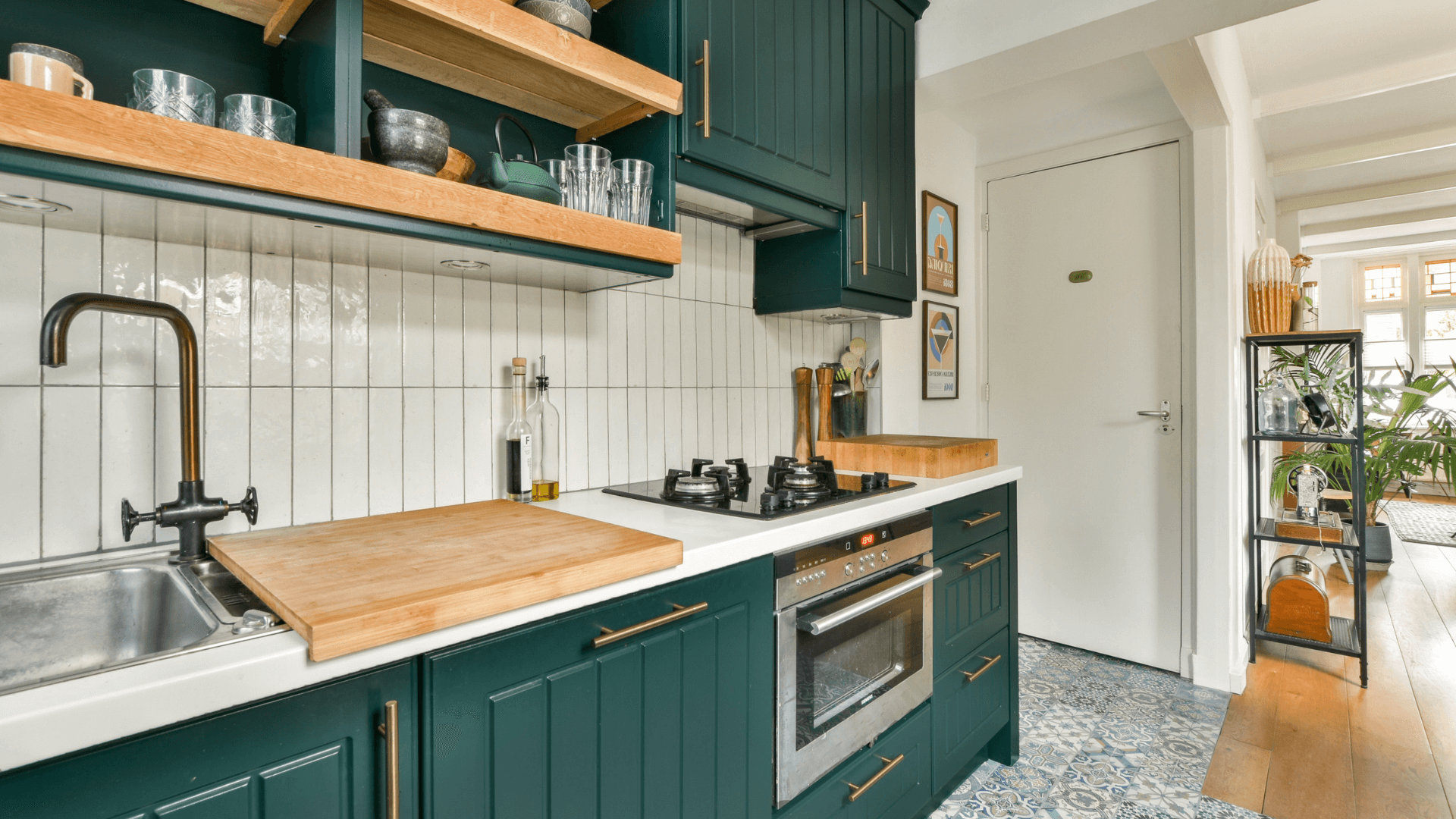
There’s something I’ve noticed over the years.
Whenever a family shifts into a new house, the first room that starts affecting everyone’s mood isn’t the bedroom. It isn’t the living room.
It’s the kitchen.
Within a few weeks, people either say, “This house feels settled,” or they start complaining about small, constant friction – arguments, overspending, food getting wasted, restlessness.
And whether someone believes in Vastu fully or not, they usually end up asking the same question : “Did we get the kitchen direction right?”
If you’re building, renovating, or relocating, these are the 10 Vastu tips for kitchen planning that I’ve seen people pay attention to – and later thank themselves for.
Table of Contents
Toggle1. Direction of the Kitchen Matters More Than You Think
If there’s one thing Vastu is strict about, it’s the kitchen direction.
South-East is considered ideal. It represents the fire element. If that’s not possible, North-West is usually the second option.
North-East, North, and South-West are generally avoided for kitchen placement. I’ve seen families adjust later — but it takes more corrections.
Also, when cooking, facing East is believed to bring better energy flow. It sounds symbolic, but many households consciously maintain this alignment.
During house construction or renovation, one practical thing to check: the kitchen and bathroom should not share a direct back wall. People ignore this, and later try to “correct” energy issues through other adjustments.
Better to plan correctly once.
2. Gas Stove and Wash Basin Should Not Fight Each Other
This is one of the most common mistakes.
Fire and water should not sit next to each other.
The gas stove ideally belongs in the South-East section of the kitchen. The wash basin or sink should be placed in the North or North-East.
When both are installed on the same slab, directly side by side, it creates an imbalance of elements – at least according to Vastu thinking.
Even people who don’t follow Vastu strictly often feel uneasy when water splashes near the flame area.
Keep separation. Keep balance.
3. Kitchen Doors and Windows – Air Changes Everything
A kitchen without ventilation changes the energy of the entire house.
Doors are ideally placed in the East or North direction. Windows should allow proper sunlight and airflow – preferably from the East or South side.
This isn’t just spiritual advice. Kitchens without natural light tend to feel heavy, cluttered, and uncomfortable.
Also, door movement matters. Traditionally, clockwise opening is preferred. Some people are particular about this; some aren’t. But during design, it’s easier to align things correctly than to regret later.
4. Water Pipe and Drainage Placement
Water management is a quiet but powerful factor in Vastu.
Drainage outlets, wash basins, and water pipes are ideally placed in the North or North-East direction. If that’s not possible, East can be considered.
Water tanks should not sit inside the kitchen itself. And definitely not in the South-East.
People often realise the importance of this only after repeated plumbing issues or dampness. Planning it correctly during construction saves both structural and energetic corrections later.
5. Refrigerator and Pantry Position
The refrigerator represents stored food and nourishment. It’s usually recommended in the South-West direction of the kitchen.
This placement is believed to stabilise food storage and maintain steady energy in the home.
Grains, pulses, and dry storage are ideally kept in South or West zones. It’s a small detail – but households that follow this are surprisingly consistent about it.
6. Choose Kitchen Colors Carefully
Color affects mood. In the kitchen, it affects appetite, energy, and interaction.
Warm tones like orange, yellow, pink, or light red are often preferred. They stimulate activity and positivity.
Black is generally avoided. Dark kitchens tend to feel heavy. Even practically, darker spaces show less light reflection and can feel smaller.
Balance matters. Too much red can feel aggressive. Too much white can feel sterile. Kitchens need warmth, not drama.
7. Kitchen Sink Placement
The sink ideally belongs to the North or North-East corner.
Gas stove or fuel-based equipment should not sit right next to it.
Some traditional suggestions even recommend placing a neutral object – like a decorative vase – between fire and water zones if space is limited.
Whether you follow that or not, the principle is simple: separation of elements.
8. Kitchen Slab Materials and Colors
There’s debate around this, but traditionally :
Green or brown slabs are considered good for East-facing kitchens
Yellow works for North-East
South-East kitchens often use maroon, green, or earthy shades
Black stone slabs are accepted in many Vastu interpretations, but pure black themes across the entire kitchen are usually avoided.
More than superstition, slab color changes the visual energy of the space. A balanced tone feels calmer.
9. Water Management Inside the Kitchen
Apart from sink placement, the overall flow of water matters.
Leakage, dripping taps, or clogged drainage affect both hygiene and symbolic prosperity.
North or North-East remains the preferred direction for water tanks and drainage systems. If those are unavailable, East can be adjusted.
One thing I’ve seen repeatedly: kitchens with consistent water issues often become the first source of frustration in a household.
Maintenance is also Vastu, in a way.
10. Keep a Holy or Living Plant Nearby
Tulsi (basil), aloe vera, or small indoor plants near the kitchen window are common in many homes.
Some families even maintain small kitchen gardens – coriander, mint, curry leaves.
It’s not just spiritual. Greenery changes the feel of the kitchen. Fresh plants purify air and soften the environment.
And psychologically, cooking near something living feels grounding.
Simple Do’s and Don’ts Most Families Follow
Cook with a calm mindset. Stress in the kitchen spreads faster than anywhere else.
Keep the space clean and uncluttered.
Store grains and spices in South or West cabinets.
Keep the kitchen separate from the toilet and ideally away from the puja room.
Always ensure proper exhaust or ventilation after cooking.
These aren’t dramatic changes. They’re habits.
If You’re Relocating, Don’t Ignore Kitchen Vastu
Many people start caring about Vastu only after moving into a new house.
If you’re shifting, it’s easier to align these placements while setting up your kitchen for the first time rather than rearranging later.
During relocations, families often ask relocation teams to place heavy items – fridge, gas cylinder, storage cabinets – according to Vastu positions from day one.
When moving into a new home in Kolkata, working with an organised relocation service like Pradhan Packers and Movers helps because placement instructions are followed carefully. It avoids repeated shifting of heavy appliances after delivery.
Small coordination. Big difference.
Final Thought
The kitchen is not just where food is prepared.
It’s where routine begins. Where energy starts. Where conversations happen without planning.
You don’t have to follow every Vastu rule perfectly. But aligning direction, fire, water, and cleanliness – even partially – creates noticeable calm.
If you’re designing or shifting soon, pause before finalising the kitchen layout.
It’s easier to place things right the first time than to correct energy later.
PEOPLE ALSO ASK
South-East is generally considered the most suitable direction for a kitchen because it represents the fire element. If that’s not possible, North-West is the next option. North-East and South-West are usually avoided for kitchen placement.
The gas stove should ideally be placed in the South-East corner of the kitchen, and the person cooking should face East. It’s also recommended not to place the stove directly beside the sink to avoid fire and water imbalance.
Vastu traditionally advises against placing the kitchen in the North-East direction, as this area is considered spiritually sensitive and better suited for meditation or puja spaces. If the kitchen already exists there, adjustments in placement and color may help balance the energy.
Warm and light colors like yellow, orange, peach, or light red are commonly recommended. Black and very dark tones are usually avoided, as they may create heaviness in the space.
Not everyone follows Vastu strictly, but many families prefer aligning basic elements like direction, fire placement, and ventilation. Even from a practical perspective, balanced layout and airflow improve comfort and functionality.
The sink should ideally be placed in the North or North-East direction. It’s best to keep it separate from the gas stove to maintain balance between water and fire elements.

Leave a Reply